
Showing 13–18 of 18 results
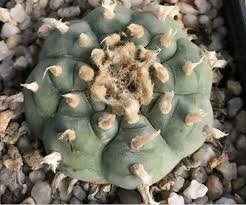
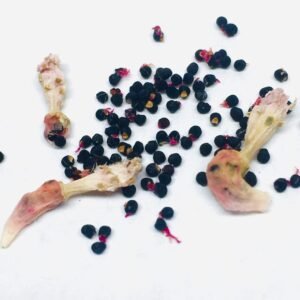
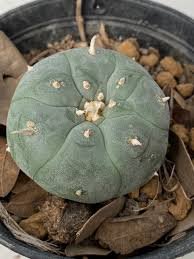
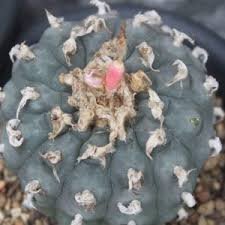
Peyote is a small, spineless cactus native to Mexico and southern Texas. Its primary active compound is mescaline, a naturally occurring alkaloid. Indigenous peoples have used peyote ceremonially for thousands of years. The Huichol people make annual pilgrimages to the sacred desert of Wirikuta to harvest it. Similarly, the Native American Church reveres peyote as a sacrament. Federal law protects this religious use for members of federally recognized tribes.
Effects and Mechanism
Mescaline acts mainly as an agonist at serotonin 5-HT2A receptors. Therefore, it produces effects similar to LSD and psilocybin. Users commonly experience euphoria, vivid hallucinations, and altered perceptions of time and space. However, physical side effects include nausea, vomiting, headache, hypertension, and muscle weakness. The drug can also cause anxiety or panic in some individuals. In contrast, addiction and dependence appear practically absent among users.
Legal Status and Research
Peyote and mescaline remain Schedule I controlled substances in the US. Consequently, general possession or sale is illegal. Nevertheless, a federal exemption permits religious use by Native American tribe members. Recent systematic reviews show preliminary therapeutic interest. Researchers report improvements in depression and substance dependence. However, the research remains limited and variable in quality. This prevents definitive conclusions about safety and efficacy. Thus, further studies remain necessary before any clinical approval.
Peyote
Shopping Cart