
Showing 1–12 of 15 results
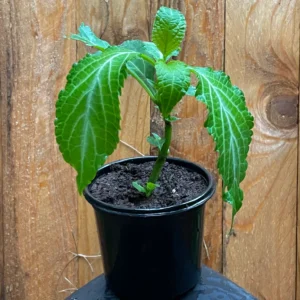
Salvia divinorum, or diviner’s sage, is a potent hallucinogenic plant in the mint family, native to Oaxaca, Mexico. The Mazatec people have used it for centuries in spiritual ceremonies. Its primary active compound, salvinorin A, is the most potent natural hallucinogen known. It produces intense effects by selectively activating kappa-opioid receptors in the brain, without affecting serotonin receptors. Consequently, its mechanism differs fundamentally from LSD or psilocybin.
Effects and Risks
Smoking dried leaves produces effects within a minute, lasting up to 20 minutes. Users commonly report disconnection from reality, loss of body control, visual distortions, and dream-like hallucinations. In contrast to classical psychedelics, the experience is often dysphoric and lacks euphoria. While acute toxicity appears low, potential risks include unpredictable psychological reactions. Therefore, these risks have driven legal restrictions, despite limited scientific data on chronic effects.
Legal Status and Research
Salvia is not federally controlled in the US, creating a varied state-by-state legal patchwork. Internationally, regulations also differ widely. Despite recreational use, preclinical research suggests salvinorin A has therapeutic potential for pain, addiction, and mood disorders. However, clinical trials remain lacking. Public health experts warn that its availability and perception as a “natural” product pose challenges for regulation and harm prevention. Thus, careful policy consideration remains essential.
salvia
Shopping Cart