
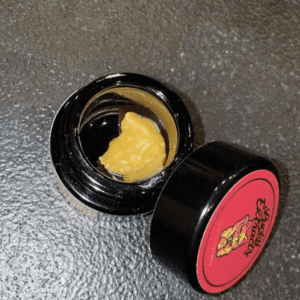
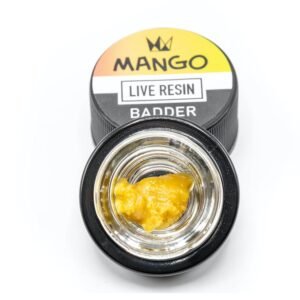
Cannabis resin, commonly called hashish or hash, is the concentrated gum from the cannabis plant’s flowering tops. This resin appears as a hard lump or block, ranging from light brown to black. The resin is rich in THC, the primary psychoactive compound. Production involves collecting and pressing the resin into blocks. Traditional hand-rubbing methods still exist in regions like the Indian Himalayas.
Potency and Composition
Cannabis resin is significantly more potent than dried cannabis flower. A study of hand-rubbed hashish from the northwest Himalayas found a mean THC concentration of 26%, with total THC content reaching 40%. This concentration is notable because a single joint can contain over 200 mg of resin, delivering a substantial THC dose. The high potency reflects the resin’s role as the plant’s concentrated chemical repository.
Effects and Risks
The effects resemble cannabis but are intensified due to higher THC levels, producing euphoria, relaxation, and altered perception. However, risks are also heightened, including anxiety, paranoia, confusion, and short-term memory loss. Users face an increased risk of chronic cough, bronchitis, and psychosis in vulnerable individuals. Furthermore, because hashish is a concentrated product, adulteration risks also exist, with substances sometimes added to “bulk it out.
Resins

Shopping Cart