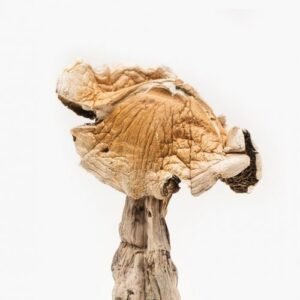
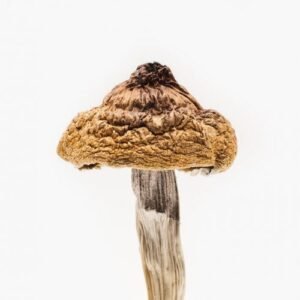
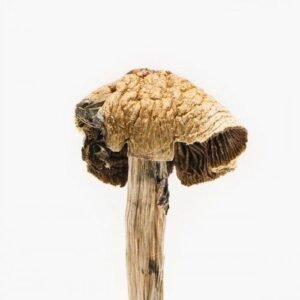
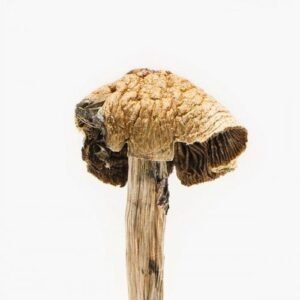
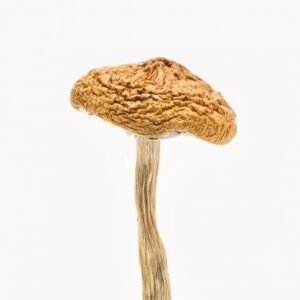
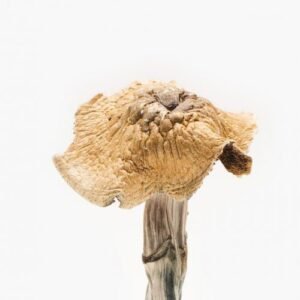
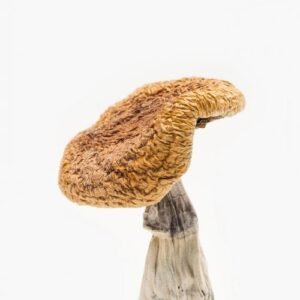
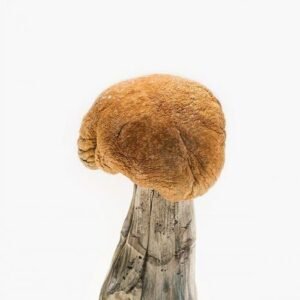
Psilocybin mushrooms, commonly called magic mushrooms, are fungi that contain the psychoactive compounds psilocybin and psilocin. Over 200 species exist, with Psilocybe cubensis being the most common. The human body converts psilocybin into psilocin, which then acts on serotonin receptors in the brain. These mushrooms have a long history of ceremonial and spiritual use among indigenous cultures. Consequently, they have gained significant attention in both recreational and research contexts.
Effects and User Experience
Users typically feel effects within 20 to 40 minutes of ingestion, with the peak occurring around 60 to 90 minutes. The overall experience generally lasts 4 to 6 hours. Common effects include euphoria, visual and auditory distortions, altered perception of time, and profound introspection. However, the experience depends heavily on dose, mindset, and environment. At higher doses, users may experience ego dissolution or mystical-type experiences. Conversely, challenging experiences involving anxiety or confusion can also occur.
Risks and Legal Status
Most physical risks remain low, with no known lethal overdose. However, users face potential psychological risks like panic, confusion, and exacerbation of existing mental health conditions. These risks increase with high doses or unsupervised use. Psilocybin remains a Schedule I controlled substance in the US, making possession and sale illegal. Nevertheless, some cities and states have decriminalized or legalized it for medical use. Recent clinical trials show promising results for treatment-resistant depression, but further research remains necessary.