Showing 1–12 of 31 results
-
Black Diamond Mushroom Chocolates Bar
Mushroom Edibles -
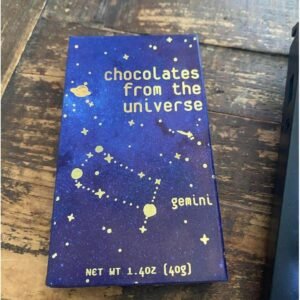
Chocolates From The Universe
Mushroom Edibles -
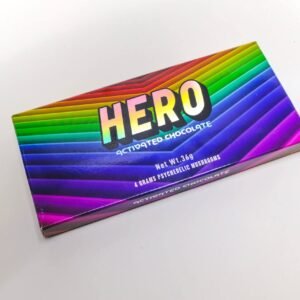
Hero Chocolate Bar Mushroom
Mushroom Edibles Original price was: $65.00.$60.00Current price is: $60.00.
Mushroom edibles are food and beverage products infused with psychoactive compounds from fungi—most commonly psilocybin from magic mushrooms, but also muscimol from Amanita muscaria or research chemicals like 4-AcO-DMT. Unlike raw dried mushrooms, which many users find bitter and unappealing, edibles offer a discreet, convenient, and palatable way to consume psychedelics. The market now includes chocolates, gummies, capsules, beverages, honey, and baked goods.
The variety of products continues to expand rapidly:
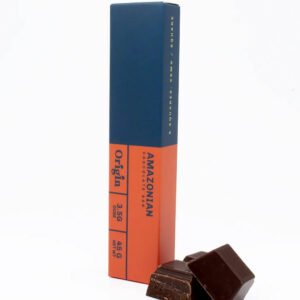
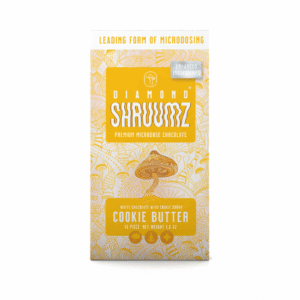
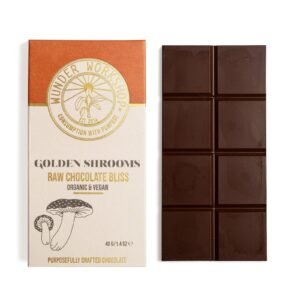
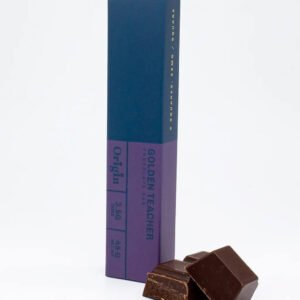
Chocolate bars: The most popular format. Manufacturers grind dried mushrooms into powder and mix it evenly into melted chocolate. Each bar typically contains 3.5–4 grams of dried mushroom equivalent, with segmented designs for easy dose splitting.
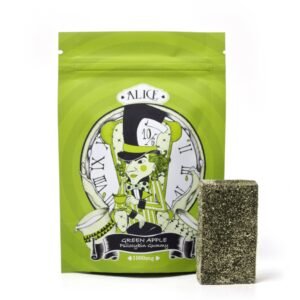
Gummies and chews: These resemble standard fruit snacks. Manufacturers infuse psilocybin extract or mushroom powder into a gelatin or pectin base, making them highly discreet and portable.
Capsules: These contain precisely measured doses of dried mushroom powder or extract. They offer the most accurate dosing and completely mask the taste, making them ideal for microdosers.
Beverages: Teas, coffees, lemonades, and sparkling waters absorb more quickly than solid foods, often bringing effects within 20–30 minutes.
Honey and syrups: These mask the mushroom flavor effectively and offer a long shelf life.
Baked goods: Cookies and brownies offer a nostalgic feel, though reliable manufacturers use low-heat methods to avoid degrading psilocybin.
Not all mushroom edibles contain the same active ingredients:
Psilocybin: The most common compound. Your digestive system converts it into psilocin, which produces the classic psychedelic effects: visual distortions, altered perception, deep introspection, and emotional openness.
Muscimol: Found in Amanita muscaria, this compound produces a sedative, dream-like state with mild dissociative effects—distinctly different from psilocybin.
4-AcO-DMT: A semi-synthetic research chemical that mimics psilocybin’s effects. Many illicit manufacturers use it as a cheaper substitute, but its safety profile remains less studied.
Several factors determine how quickly and intensely an edible affects you:
Fasting state: Taking an edible on an empty stomach speeds absorption, bringing effects within 20–40 minutes. A full stomach delays onset to 60–120 minutes.
The carrier: Fats in chocolate or oils slow digestion slightly, while liquids absorb more rapidly.
Individual metabolism: Body weight, metabolism, and enzyme activity lead to drastically different experiences among users taking identical doses.
Once absorbed, psilocybin converts to psilocin in your liver. Psilocin then binds to serotonin 2A receptors in your brain, particularly in the prefrontal cortex. This binding alters your brain’s default communication patterns, temporarily breaking down rigid thought structures and increasing connectivity between regions that do not typically interact. The result: heightened awareness, sensory enhancement, and emotional fluidity.
Mushroom edibles offer more precise dosing than raw mushrooms, but potency still varies widely. Here is a general guide for psilocybin edibles:
| Dose (psilocybin) | Equivalent Mushroom | Experience | Typical Effects |
|---|---|---|---|
| 1–2 mg | 0.1–0.3 g | Microdose | Subtle mood lift, enhanced focus, no perceptual changes |
| 5–10 mg | 0.5–1 g | Light | Mild euphoria, brighter colors, slight time distortion |
| 10–20 mg | 1–2 g | Moderate | Visual distortions, deeper introspection, emotional shifts |
| 20–30 mg | 2–3.5 g | Strong | Vivid visuals, profound insights, ego softening |
| 30+ mg | 3.5+ g | Heroic | Intense hallucinations, ego dissolution, mystical experiences |
Critical rule: If you are unfamiliar with a product, start with half the recommended dose or less. You can always take more later—you cannot take less once you have eaten it.
Mushroom edibles carry real risks, and their delayed onset makes them especially tricky for new users:
Psychological risks:
Anxiety and panic: A “bad trip” can bring intense fear, confusion, or paranoia—especially in unfamiliar settings
Psychotic episodes: For individuals with a family history of psychotic disorders, psilocybin can trigger or worsen symptoms
Emotional amplification: The drug intensifies existing emotional states, so anxiety or depression may become overwhelming
Physical risks:
Nausea and GI distress: Psilocybin activates serotonin receptors in the gut, causing stomach discomfort or vomiting—especially with heavy foods like chocolate
Increased heart rate and blood pressure: This may pose risks for individuals with heart conditions
Muscle tension or tremors: Some users experience involuntary twitching during the peak
The “come-up” anxiety: Many users experience a wave of physical discomfort and nervousness as effects first appear—before the experience transitions into euphoria. This phase can be distressing if you are unprepared.
The popularity of mushroom edibles has attracted counterfeiters. Many illicit products—especially chocolates and gummies sold online or in unlicensed shops—contain something other than what the label claims:
4-AcO-DMT: A research chemical with an unknown long-term safety profile
DMT or 5-MeO-DMT: These produce vastly different and often more intense experiences
Nothing at all: Many counterfeit products contain only candy with zero active ingredients
Dangerous contaminants: Some contain synthetic cannabinoids or harmful additives
Protect yourself: Purchase only from licensed dispensaries where psilocybin is legal, or make your own edibles from mushrooms you have cultivated yourself.
Mushroom edibles do not combine safely with many common substances:
Antidepressants (SSRIs/MAOIs): These can dull effects or, rarely, cause serotonin syndrome—a life-threatening condition
Lithium: Combining with psilocybin significantly increases the risk of seizures
Alcohol: Dulls introspective benefits and increases nausea and impairment
Stimulants: Caffeine, amphetamines, or cocaine amplify anxiety and cardiovascular strain
Researchers are exploring psilocybin edibles for clinical use. The controlled, measurable dosing makes edibles ideal for therapeutic settings. Current research suggests psilocybin can help treat:
Treatment-resistant depression: Patients show rapid and sustained improvement after one or two sessions
End-of-life anxiety: Terminal patients report decreased fear of death
Alcohol and nicotine addiction: Psilocybin helps break addictive patterns by increasing neuroplasticity
PTSD and trauma: Emotional openness allows patients to process traumatic memories without becoming overwhelmed
The legal landscape varies widely and changes rapidly:
United States: Psilocybin remains federally illegal. However, Oregon and Colorado have legalized psilocybin therapy, and several cities—including Denver and Washington D.C.—have decriminalized possession.
Canada: Some terminal patients have legal access to psilocybin therapy, and some cities have decriminalized possession.
Netherlands: Psilocybin truffles (not dried mushrooms) are legal.
Australia: Recently legalized psilocybin for psychiatric use under strict medical supervision.
Always check your local laws before purchasing or consuming any mushroom edible.
If you choose to consume mushroom edibles, follow these precautions:
Test your product: Use a psilocybin testing kit to check for adulterants—especially from unverified sources
Start low, go slow: Take a fraction of the recommended dose and wait at least 90 minutes before considering more
Plan your session: Choose a comfortable, quiet environment with trusted friends
Have a sober sitter: A trusted companion can guide you through difficult moments
Avoid mixing: Do not combine with alcohol, antidepressants, or other drugs
Eat lightly beforehand: Have a light meal 2–3 hours before dosing to reduce nausea
Stay hydrated: Drink water regularly, but avoid overhydrating
Clear your schedule: Set aside 6–8 hours for the experience and 24 hours for rest
Do not drive: Effects can impair coordination and judgment for many hours
Showing 1–12 of 31 results
WhatsApp us