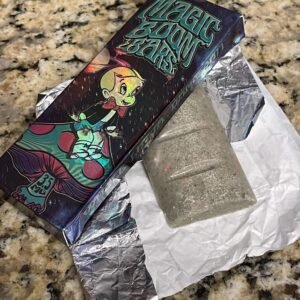
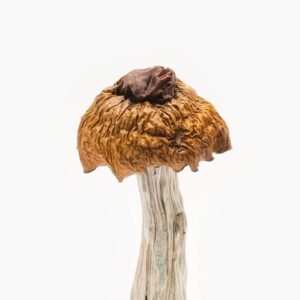
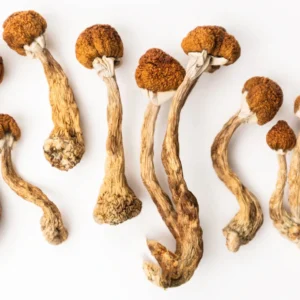
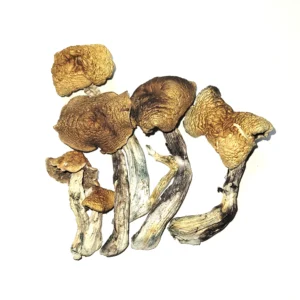
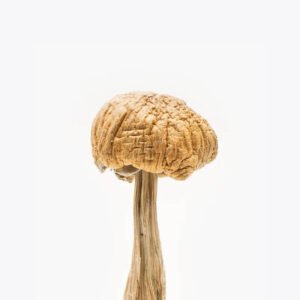
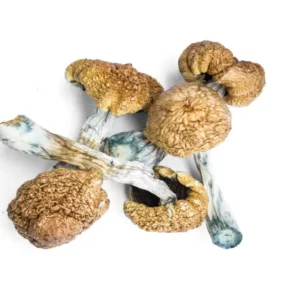
Magic mushrooms are fungi containing the psychedelic compound psilocybin. The body converts psilocybin into psilocin, which produces hallucinogenic effects. These mushrooms grow naturally in tropical regions, often near decaying wood or soil. Historically, Mesoamerican cultures used them in spiritual rituals, calling them teonanacatl or “god’s flesh.” However, the effects remain unpredictable and depend on the user’s mood and environment. Some people report life-changing positive experiences, while others endure terrifying “bad trips.” Thus, set and setting play a crucial role in the outcome.
Effects and Physical Risks
A “trip” typically begins within 30 to 45 minutes and lasts up to 6 hours. Early effects include nausea and yawning, followed by altered perception and mood changes. Higher doses can cause intense anxiety, paranoia, and distorted reality. Consequently, long-term risks include psychosis or flashbacks (HPPD). Physically, users may experience increased heart rate, muscle weakness, and poor coordination. One significant danger involves mistaking them for poisonous species like the death cap mushroom, which can be fatal. Therefore, proper identification remains essential for safety.
Legal Status and Therapeutic Research
Most jurisdictions classify magic mushrooms as Schedule I controlled substances, making them illegal to possess. However, some U.S. cities and states like Colorado and Oregon have decriminalized or legalized them for medical use. In the UK and Canada, they remain largely prohibited outside research. Despite this, growing research suggests psilocybin shows promise for treating depression, anxiety, PTSD, and addiction. Nevertheless, experts caution that more high-quality evidence is needed. Thus, routine medical use still lies ahead.