# Marijuana (Cannabis):
Marijuana—scientifically known as *Cannabis sativa*—is a psychoactive drug that comes from the cannabis plant. People have used it for thousands of years, both for recreation and as medicine. Today, it remains the most commonly used illicit drug in the United States.
## What It Is and Where It Comes From
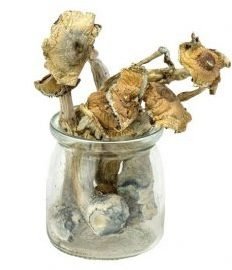
Marijuana looks like a dry, shredded mixture of green, brown, or gray flowers, stems, seeds, and leaves from the *Cannabis sativa* plant—it can even resemble tobacco. The plant originally comes from temperate regions of Asia, but today growers cultivate it worldwide, including in North America, Mexico, South America, and the Caribbean. This annual plant grows quickly and can reach heights of up to 6 meters.
Growers typically recognize two primary subspecies:
– **Cannabis sativa** subsp. *sativa*: These plants grow taller and have narrow leaves. Farmers often grow them for fiber or seeds, and they generally produce higher THC levels.
– **Cannabis sativa** subsp. *indica*: These plants stay shorter and bushier, with wider leaves. They produce more resin and higher CBD levels, which leads to more relaxing effects.
## How It Works
THC—delta-9-tetrahydrocannabinol—serves as the main psychoactive ingredient in marijuana. When someone smokes marijuana, the THC passes rapidly from the lungs into the bloodstream and travels to the brain. There, it binds to specific sites called cannabinoid receptors on nerve cells. These receptors concentrate in brain areas that influence pleasure, memory, thought, concentration, sensory and time perception, and coordination. The human body also produces its own natural cannabinoids, which play roles in regulating appetite, pain sensation, and memory.
## Short-Term Effects
The effects of marijuana vary based on the dose, the method of use, the user’s experience, and the environment. When a person smokes it, the effects appear almost immediately and typically last 1 to 6 hours. Edibles, on the other hand, can take up to 2 hours to take effect, and their effects can last up to 12 hours or more.
**Potential short-term effects include:**
– **Positive:** Users often experience euphoria, relaxation, increased sociability, and enhanced sensory perception (brighter colors, a better appreciation of music). They also get increased appetite—the famous “munchies.”
– **Negative or unpredictable:** Some users experience anxiety, paranoia, panic, confusion, impaired coordination, memory problems, red eyes, and dry mouth. High doses can even cause hallucinations. New users, in particular, may find the experience uncomfortable or frightening.
## Long-Term and Health Risks
While marijuana cannot cause a fatal overdose, long-term use does carry significant risks.
**Dependence and Withdrawal**
– Regular users can develop **cannabis use disorder**—an addiction where they cannot stop using despite the negative consequences it causes in their lives.
– Withdrawal symptoms peak in the first few days and can last up to two weeks. These include irritability, anxiety, loss of appetite, disturbed sleep, and mood swings.
**Cognitive and Mental Health**
– Using marijuana during adolescence can lead to significant cognitive impairment and changes in the brain.
– Frequent use also causes cognitive deficits in learning, memory, and impulsivity, though some impairment may improve with extended abstinence.
– Marijuana can precipitate or worsen psychotic symptoms in people with schizophrenia, and it increases the risk of depression and anxiety disorders.
**Physical Health**
– **Respiratory:** Smoking marijuana can cause chronic bronchitis, wheezing, coughing, and increased phlegm. However, unlike tobacco, it does not appear to cause obstructive airway disease or increase the risk of head and neck cancers.
– **Other:** Some long-term users develop **cannabinoid hyperemesis syndrome**—cyclic episodes of nausea and vomiting that only hot baths can relieve. It can also cause abdominal pain.
**Impaired Function**
– Marijuana impairs coordination, reaction time, depth perception, and concentration for **up to 24 hours** after use, which makes driving or operating heavy machinery dangerous.
## Medical Uses
Despite its classification as a drug, marijuana does have recognized medical applications. Doctors use it to manage nausea, appetite loss, pain, and insomnia associated with chronic health conditions. Specific cannabinoids have received approval for medical use, including:
– **Dronabinol** (synthetic THC): Doctors prescribe this to treat chemotherapy-induced nausea and appetite loss in AIDS patients.
– **Nabilone** (synthetic cannabinoid): This treats nausea and vomiting from chemotherapy.
– **Cannabidiol (CBD)**: This non-psychoactive cannabinoid has approval for treating certain severe forms of childhood epilepsy.
The strongest medical evidence supports its use for treating spasticity and neuropathic pain in multiple sclerosis. However, experts caution that evidence for many other medical uses remains limited, and they recommend seeking guidance from a healthcare provider. Marijuana is not safe for pregnant women, as it can pass into breast milk and may affect fetal development.
Marijuana