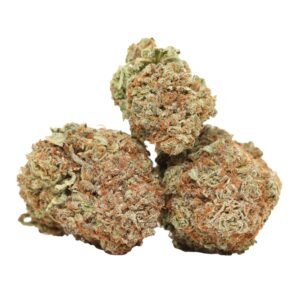
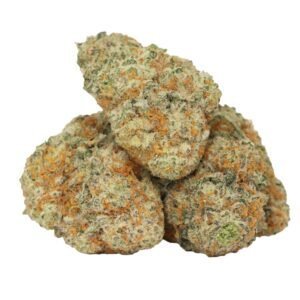
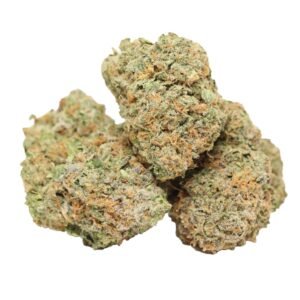
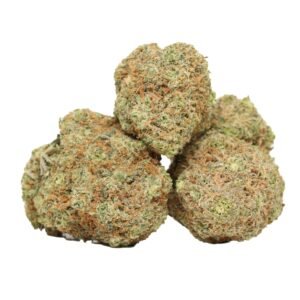
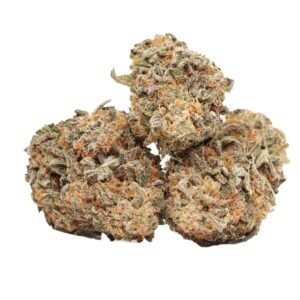
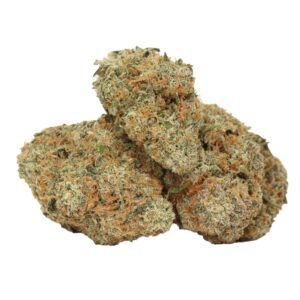
its is one of two main cannabis types, alongside sativa. People know it as a “downer” because it produces deep physical relaxation and a sedative effect. Users often describe this feeling as a “body buzz” or “couch-lock.” For this reason, many choose indica for evening or nighttime use. Originally, the term described the plant’s short, bushy shape and broad, dark green leaves. These plants adapted to the harsh, cool climates of regions like the Hindu Kush mountains.
The Role of CBD and THC
For consumers, the key difference was the chemical makeup. its strains supposedly had a higher CBD-to-THC ratio than sativa. This ratio contributed to its soothing properties. Consequently, people believed indica relieved pain, reduced anxiety, and promoted sleep. However, modern testing reveals a much more complex picture. Today’s strains often have varying levels of both compounds. Therefore, the old CBD-to-THC rule no longer applies universally to every of this product.
Science Challenges the Label
Many users still report sedative effects from indica strains. A 2023 study even linked “indica-dominant” labels to greater low-arousal effects. Nevertheless, scientists now question this simple divide. Decades of cross-breeding have blurred genetic and chemical lines. As a result, experts argue that the indica-sativa label does not reliably predict your experience. Terpenes and other cannabinoids matter equally, if not more. Thus, choosing a product based solely on “indica” may mislead you.