1. What Are Concentrates and How Do They Form?
Cannabis concentrates are potent products that isolate active compounds like cannabinoids and terpenes from the plant. Their THC levels often range from 40% to over 90%, far exceeding the 15-20% in dried flower. Two main production methods exist: solvent-based and solventless. Solvent-based extraction uses butane, propane, or CO2 to strip compounds from plant material. In contrast, solventless methods use physical forces like sifting, ice water, or heat and pressure. These approaches separate trichomes, the plant’s resin glands. Consequently, kief, hash, and rosin come from solventless processes.
2. Common Types and Their Textures
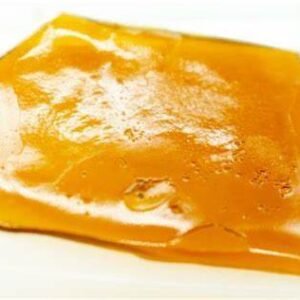
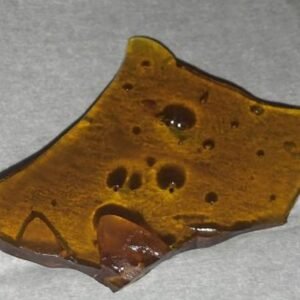
The concentrate market offers many forms with distinct textures. For instance, kief is a powder-like collection of trichomes. Hash results from pressing kief, and bubble hash uses ice water separation. Meanwhile, rosin applies heat and pressure to flower or hash. Live rosin uses fresh-frozen starting material. Similarly, resin and live resin are solvent-based extracts from fresh cannabis, preserving terpenes well. Shatter appears hard and glass-like. On the other hand, wax, budder, and badder have soft, creamy consistencies. Distillate is a refined, highly potent oil. Finally, THCA diamonds are crystalline structures often found in terpene-rich sauce.
3. Potency, Use, and Safety Considerations
Because of their extreme potency, concentrates require careful handling. For example, distillate works well in vape cartridges and edibles. Diamonds and sauces are popular for dabbing. Therefore, users should always “start low and go slow” to avoid overwhelming effects. However, solvent-based extracts carry risks due to flammable chemicals and possible residual solvents. Solventless options offer a more natural alternative. As a result, experienced consumers typically prefer concentrates, while beginners should approach them with caution.
CONCENTRATES