1. Botanical Identity and Physical Traits
Cannabis is a complex plant with a dual identity: an industrial crop (hemp) and a recreational/medicinal drug (marijuana). The genus includes Cannabis sativa L. as its main species, though taxonomists debate adding C. indica and C. ruderalis. It belongs to the Cannabaceae family, alongside hops. This erect, annual herb grows 1–4 meters tall. Usually dioecious, male plants are taller and die after flowering; female plants are shorter and live longer. Its palmately compound leaves have 3–11 toothed leaflets. They smell “rank” due to resinous glands. Stems are angular, hollow, and hairy.
2. Reproductive Structures and Resin Production
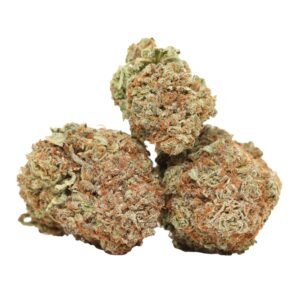
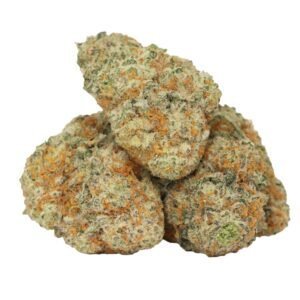
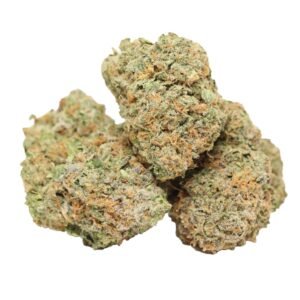
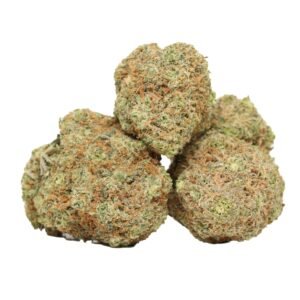
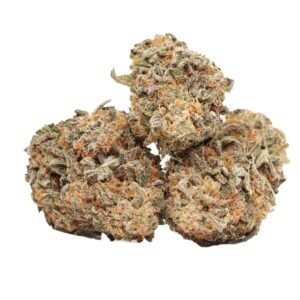
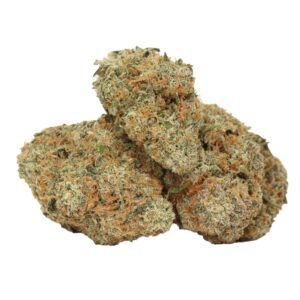
The small, petal-less flowers derive importance from their resin. Male flowers grow in loose panicles for wind pollination. Female flowers form dense spikes near the stem, each surrounded by a bracteole covered in resin glands. Microscopic trichomes produce sticky, aromatic resin rich in cannabinoids like THC and CBD. The plant produces this resin most heavily on female bracts, where it protects seeds from pests and UV light.
3. Common Varieties and Scientific Understanding
Three types—sativa, indica, and ruderalis—categorize cannabis by appearance and effects. Sativa is tall, slender, and energizing. Indica is short, bushy, and sedating. Ruderalis is small, hardy, and low in THC, but it flowers automatically by age, making it useful for breeding. Scientific understanding of cannabis continues to evolve, and this versatile plant still holds many secrets.
Cannabis