Mushroom Bars: A Comprehensive Overview
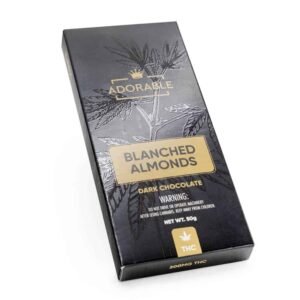
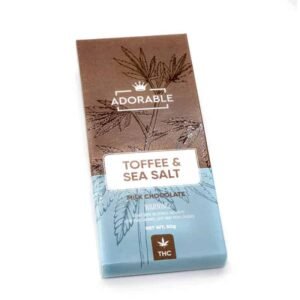
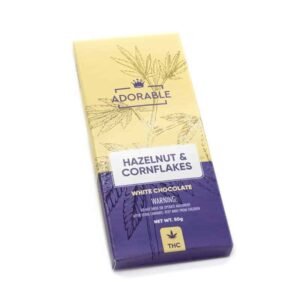
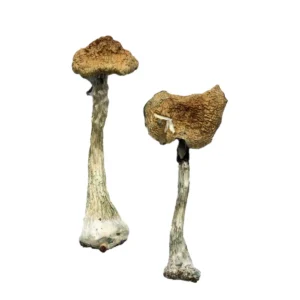
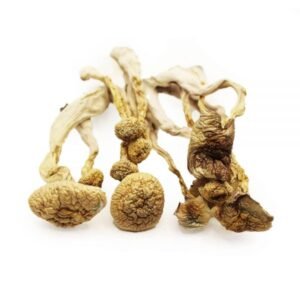
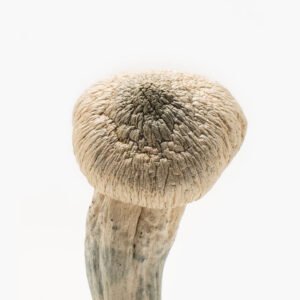
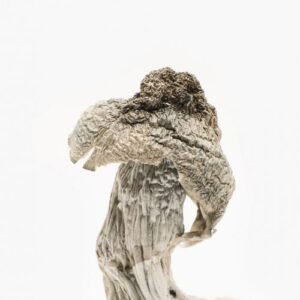
Mushroom bars are chocolate bars infused with psilocybin, the psychoactive compound found in magic mushrooms. These products have surged in popularity in recent years, particularly in regions where psilocybin has been decriminalized or legalized for therapeutic use. Manufacturers grind dried psilocybin mushrooms into a fine powder and mix them evenly into melted chocolate, then pour the mixture into molds to create bars that resemble standard candy. Each bar typically contains a specific, measured dose of psilocybin—commonly 3.5 grams (an eighth of an ounce) of dried mushroom equivalent—and the manufacturer divides the bar into sections or “squares” to make dosing easier.
Why Mushroom Bars Gained Popularity
Several factors drive the growing demand for mushroom bars:
-
Masking the taste: Many users find the earthy, bitter flavor of raw magic mushrooms unpleasant. Chocolate effectively masks this taste, making consumption much more palatable.
-
Precise dosing: Breaking a chocolate bar into evenly sized squares gives users more control over their dose compared to eating whole, unevenly potent dried mushrooms.
-
Discretion: A mushroom bar looks like an ordinary chocolate bar, so users can carry or consume it without drawing attention.
-
Convenience: No need to measure, weigh, or prepare anything—simply break off a piece and eat it.
How Mushroom Bars Work
Psilocybin is a prodrug, meaning it is not psychoactive on its own. When you eat a mushroom bar, your digestive system converts the psilocybin into psilocin, the active compound that actually produces the psychedelic effects. Psilocin then binds to serotonin 2A receptors in the brain, particularly in regions associated with perception, mood, and cognition. This binding alters the brain’s normal communication patterns, temporarily loosening rigid thought structures and creating the hallmark effects of a psychedelic experience.
However, the chocolate itself plays an important role in how the drug absorbs. The fats in chocolate can slow digestion slightly, which means the onset may take a bit longer than consuming raw mushrooms on an empty stomach. Effects typically begin within 30 to 90 minutes, peak around 2 to 3 hours after ingestion, and gradually subside over 4 to 6 hours total.
Dosing and Effects
The effects of a mushroom bar depend entirely on how much you consume. Because manufacturers typically divide the bar into squares, you can tailor your dose to your desired experience:
Important note: Potency varies significantly between brands, batches, and even individual mushrooms. Always start with a low dose—a single square or less—to gauge your sensitivity before consuming more.
The Risks and Side Effects
Despite their approachable form, mushroom bars carry the same risks as any psilocybin-containing substance:
Psychological risks:
-
Anxiety and paranoia: A “bad trip” can bring intense fear, confusion, or panic, especially in unfamiliar or uncomfortable settings.
-
Psychosis: For individuals with a personal or family history of psychotic disorders, psilocybin can trigger or worsen symptoms like delusions or mania.
-
Emotional volatility: The drug amplifies existing emotional states, so if you are feeling anxious or depressed, those feelings may intensify.
Physical risks:
-
Nausea and stomach discomfort: Psilocybin activates serotonin receptors in the gut, which often leads to gastrointestinal distress—though chocolate can somewhat reduce this compared to eating raw mushrooms.
-
Increased heart rate and blood pressure: Psilocybin mildly stimulates the cardiovascular system, which may pose risks for individuals with heart conditions.
-
Muscle tension or tremors: Some users experience involuntary muscle twitching or tension.
Other risks:
-
Unpredictable potency: Illicit or unregulated mushroom bars may contain less or more psilocybin than advertised—or worse, they may contain research chemicals like 4-AcO-DMT instead of genuine psilocybin.
-
Accidental overconsumption: Because the bars taste like chocolate, some users eat more than intended, leading to an unexpectedly intense experience.
Counterfeit and Adulteration Concerns
The popularity of mushroom bars has also attracted bad actors. Counterfeit mushroom bars—especially those mimicking established brands like “Polkadot” or “One Up”—flood the black market. These fake bars often contain:
-
Research chemicals like 4-AcO-DMT, which mimics psilocybin’s effects but has an unknown safety profile
-
Other psychedelics like DMT or 5-MeO-DMT, which can produce drastically different and more intense effects
-
No active ingredients at all—just chocolate and nothing else, scamming the buyer
Because of this, harm-reduction experts strongly recommend purchasing mushroom bars only from trusted, legal sources or growing your own mushrooms to make homemade bars.
Interactions with Other Substances
Mushroom bars do not mix safely with many common substances:
-
Antidepressants (SSRIs/MAOIs): These medications can dull the effects of psilocybin or, in rare cases, cause serotonin syndrome—a potentially life-threatening condition
-
Lithium: Combining lithium with psilocybin significantly increases the risk of seizures
-
Alcohol: Alcohol dulls the introspective benefits of psilocybin and can increase nausea
-
Stimulants: Mixing with stimulants like caffeine or amphetamines can amplify anxiety and cardiovascular strain
The Therapeutic Potential
Researchers are currently exploring psilocybin’s therapeutic applications with great interest, and the evidence so far is promising:
-
Depression: Multiple studies show that psilocybin-assisted therapy can produce rapid and lasting reductions in treatment-resistant depression
-
Anxiety: Patients with terminal illnesses have shown significant decreases in anxiety about death after psilocybin sessions
-
Addiction: Early research suggests psilocybin may help individuals overcome alcohol and nicotine dependence
-
PTSD: Psilocybin’s ability to promote neuroplasticity and emotional openness may help patients process traumatic memories
In clinical settings, therapists administer psilocybin in controlled doses within a supportive environment, typically alongside extensive preparation and integration sessions. This differs greatly from recreational use of mushroom bars.
Legal Status
The legal landscape for mushroom bars is complex and rapidly evolving:
-
United States: Psilocybin remains a Schedule I substance federally, meaning it is illegal to possess, sell, or consume. However, several states and cities—including Oregon, Colorado, and Washington, D.C.—have decriminalized or legalized psilocybin for therapeutic or personal use.
-
Canada: Health Canada has granted some patients with terminal illnesses legal access to psilocybin therapy.
-
Netherlands: Psilocybin truffles (but not dried mushrooms) are legal and widely available.
-
Other countries: Laws vary widely; in many places, possession carries significant criminal penalties.
Always check your local laws before purchasing or consuming a mushroom bar.
Harm Reduction Tips for Safer Use
If you choose to consume a mushroom bar, these precautions can reduce your risks:
-
Test your bar: Use a psilocybin testing kit or a reagent test to check for adulterants, especially if you purchased from an unverified source
-
Start low, go slow: Begin with one square or less—do not eat the whole bar at once
-
Prepare your set and setting: Choose a safe, comfortable environment with trusted people; avoid crowded or unfamiliar spaces
-
Have a sitter: A sober, trusted companion can help guide you through difficult moments
-
Avoid mixing: Do not combine mushroom bars with alcohol, antidepressants, or other drugs
-
Stay hydrated: Drink water, but avoid overhydrating
-
Plan for downtime: Clear your schedule for at least 6–8 hours; you will need time to rest and integrate afterward
-
Know your dose: Read the packaging carefully—if the bar does not clearly state the total psilocybin content, proceed with extreme caution
Mushroom Bars