1. What Is DMT?
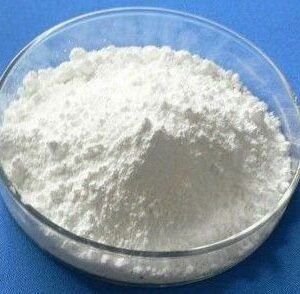
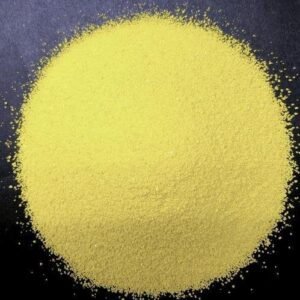
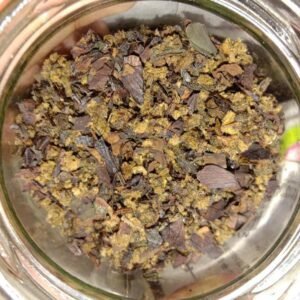
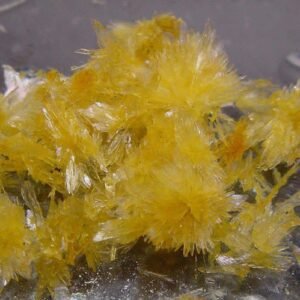
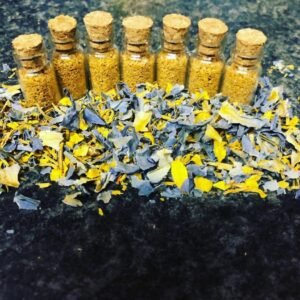
DMT, or N,N-Dimethyltryptamine, is a powerful naturally occurring psychedelic compound found in various plants and animals. It belongs to the tryptamine family, which also includes serotonin and psilocybin. The human brain even produces trace amounts of DMT endogenously. Indigenous Amazonian tribes have used DMT-containing brews like ayahuasca for centuries in spiritual ceremonies. In its pure form, DMT appears as a white or yellowish crystalline powder. Unlike other psychedelics, DMT produces extremely intense but short-lived effects when vaporized or injected. Consequently, researchers classify it as a short-acting hallucinogen. Many users describe the experience as more profound than other psychedelics.
2. Effects and the Breakthrough Experience
When DMT (N,N-Dimethyltryptamine vaporized or injected, DMT produces effects almost immediately. Peak effects last only 5 to 30 minutes. Users often report vivid visual hallucinations, geometric patterns, and altered perception of time. A hallmark effect is the “breakthrough” experience. During this state, individuals feel complete detachment from physical reality. They often encounter what they describe as autonomous entities or beings. These experiences can feel more real than waking consciousness. Furthermore, many users report profound mystical insights and life-changing perspectives. However, the experience can also involve intense fear or confusion. The rapid onset and intensity make DMT uniquely challenging compared to other psychedelics.
3. Therapeutic Potential and Risks
Recent clinical research has explored DMT’s therapeutic applications. Early studies show promise for treating depression, anxiety, and addiction. One phase 2a trial demonstrated rapid antidepressant effects with an 85.7% response rate by day 7. However, DMT carries significant risks. Potential adverse effects include anxiety, paranoia, panic, and overwhelming fear. For individuals with mental health conditions, DMT may worsen symptoms. Additionally, mixing DMT with other drugs can have unpredictable effects. DMT remains a Schedule I controlled substance in the US. Therefore, legal use is restricted to approved clinical research settings. Professional supervision is essential for safe administration.
DMT (N,N-Dimethyltryptamine)