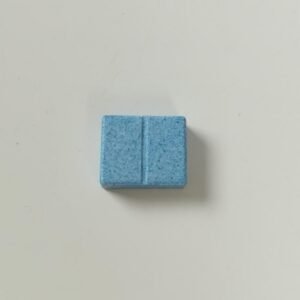
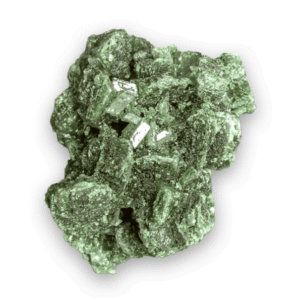
MDMA (3,4-methylenedioxymethamphetamine) is a synthetic drug that acts as both a stimulant and a mild hallucinogen. People commonly know it as Ecstasy or Molly, and it comes as pills, capsules, or powder. Chemically, it resembles amphetamines and mescaline. The drug works by increasing serotonin, dopamine, and norepinephrine levels in the brain. Therefore, it promotes neurotransmitter release and blocks their reuptake. This powerful chemical surge produces most of its acute effects. (Word count: 68)
Short-Term Effects and Therapeutic Use
MDMA produces euphoria, heightened empathy, and emotional closeness. Users also feel increased energy and sociability. However, physical reactions include muscle tension, jaw-clenching, sweating, and nausea. More seriously, hyperthermia, rapid heart rate, and elevated blood pressure can occur. In clinical trials, MDMA-assisted therapy shows promise for treating PTSD. The drug reduces fear and defensiveness, so patients process traumatic memories more easily. Researchers continue studying its safety, but medical use remains strictly controlled and experimental. (Word count: 70)
Major Dangers and Legal Status
Recreational use carries severe health risks. Hyperthermia can become fatal, especially in hot, crowded environments. Long-term use may damage serotonin neurons, leading to memory problems and mood disorders. Street pills often contain methamphetamine, synthetic cathinones, or fentanyl. Consequently, these mixtures increase toxicity and overdose risks significantly. Chronic use can produce confusion, depression, and paranoid psychosis. Legally, MDMA remains a Schedule I substance in the US and a Class A drug in the UK. Thus, manufacturing, possessing, or distributing it recreationally is strictly illegal. (Word count: 72)
MDMA (Methylenedioxy-Methylamphetamine)