1. Origins and Preparation
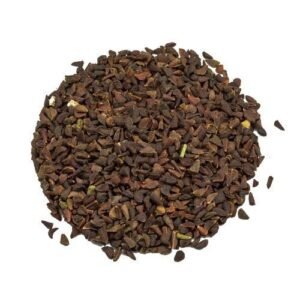
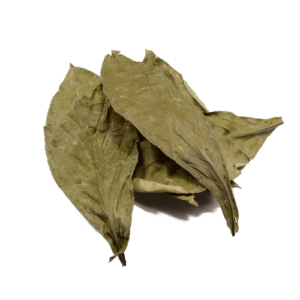
Ayahuasca is a traditional psychoactive brew from the Amazon, with a name meaning “vine of the spirits.” Indigenous peoples of Peru, Brazil, and Ecuador have used it for centuries in healing rituals. The brew combines Banisteriopsis caapi vine with Psychotria viridis leaves. The vine provides MAOIs, while the leaves contain DMT. This combination allows DMT to become orally active. In contrast, cannabis is a flowering plant from the Cannabaceae family, with Cannabis sativa as its main species. It grows as an erect, aromatic herb reaching 1–4 meters tall. Its leaves are palmately compound with toothed leaflets.
2. Effects and Consumption Methods
Ayahuasca’s effects begin within 20–60 minutes and last 4–6 hours. Users often report intense hallucinations, deep introspection, and powerful emotions from euphoria to terror. A hallmark is the “purge,” involving vomiting and diarrhea, which traditional contexts consider cleansing. Cannabis, however, produces a milder, dose-dependent effect. Smoking or vaporizing brings rapid onset, while edibles take longer. THC and CBD are its primary active compounds. Sativa strains energize, whereas indica strains sedate. Meanwhile, concentrates like shatter, wax, and rosin offer high potency.
3. Therapeutic Potential and Risks
Ayahuasca has gained attention for treating depression, anxiety, and addiction. Nevertheless, it carries serious risks, including dangerous interactions with SSRIs and potential serotonin syndrome. Rare psychotic episodes have occurred even in healthy individuals. Cannabis also shows therapeutic promise for pain, nausea, and epilepsy. However, risks include impaired cognition, dependence, and anxiety, especially with high-THC products. Therefore, both substances require caution and professional guidance. Ayahuasca needs ceremonial supervision, while cannabis demands responsible dosing.
Ayahuasca