Marijuana Flowers (Cannabis Bud): A Comprehensive Description
Marijuana flowers—commonly known as “bud,” “nugs,” or simply “weed”—are the resinous, smokable part of the female Cannabis sativa or Cannabis indica plant. These flowers are the plant’s reproductive organs, and they contain the highest concentration of cannabinoids—the chemical compounds responsible for marijuana’s psychoactive and therapeutic effects. For most users, the flower is the most recognizable and traditional form of cannabis.
Appearance and Structure
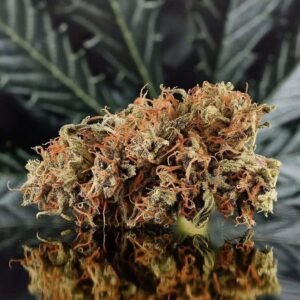
Marijuana flowers have a distinct, eye-catching appearance. They grow as dense, tear-shaped clusters that range in color from vibrant green to purple, orange, or even deep blue, depending on the strain. A dense coating of tiny, crystal-like trichomes covers the surface, giving the buds a frosty or sticky look. These trichomes are actually resin glands that produce the majority of the plant’s cannabinoids and terpenes. Small, hair-like structures called pistils—usually orange, red, or brown—curl out from the flower, adding to its unique texture. High-quality buds feel dense, slightly spongy, and sticky to the touch.
The Chemistry: Cannabinoids and Terpenes
The flower’s effects come primarily from its chemical profile. The two most prominent cannabinoids are:
-
THC (tetrahydrocannabinol): This compound produces the psychoactive “high.” THC binds to cannabinoid receptors in the brain, altering mood, perception, and cognition.
-
CBD (cannabidiol): Unlike THC, CBD does not produce a high. Instead, it moderates some of THC’s psychoactive effects and offers its own potential therapeutic benefits, such as reducing anxiety and inflammation.
Beyond cannabinoids, the flower also contains terpenes—aromatic oils that give each strain its distinctive smell and flavor. Common terpenes include myrcene (earthy, musky), limonene (citrusy), and pinene (pine-like). Terpenes do more than just create aroma; they also interact with cannabinoids to produce what experts call the “entourage effect,” where the combined compounds create a more nuanced experience than any single compound alone.
How People Use Marijuana Flowers
Users consume marijuana flowers in several ways, each offering a different experience:
-
Smoking: This remains the most common method. Users roll the ground flower into joints or blunts, pack it into pipes or bongs, or use a chillum. Smoking delivers THC almost instantly to the bloodstream through the lungs, so users feel the effects within seconds.
-
Vaping: Heating the flower to a temperature that releases its active compounds without combustion produces a vapor. Vaping reduces exposure to harmful byproducts of smoke while still providing rapid effects.
-
Edibles and Infusions: Cooks and bakers infuse butter, oil, or alcohol with decarboxylated (heat-activated) flower to create baked goods, beverages, and tinctures. Edibles take longer to kick in—often 30 minutes to 2 hours—but the effects last much longer, sometimes up to 8–12 hours.
Short-Term Effects
The immediate effects of marijuana flowers depend largely on the strain, the dose, and the individual user.
Common desirable effects include:
-
Euphoria and a sense of well-being
-
Deep relaxation or energetic uplift (depending on sativa vs. indica)
-
Heightened sensory experiences—food tastes better, music sounds richer, colors appear more vivid
-
Increased appetite (“the munchies”)
-
Laughter and sociability
Potential unwanted effects include:
-
Dry mouth and red, bloodshot eyes
-
Paranoia, anxiety, or racing thoughts, especially with high-THC strains
-
Impaired short-term memory and difficulty concentrating
-
Dizziness or lightheadedness
-
Loss of coordination and slower reaction times
Long-Term Health Considerations
Using marijuana flowers regularly over an extended period carries several important health considerations:
Dependency and Withdrawal
-
Frequent users can develop cannabis use disorder, where they feel unable to stop using despite negative impacts on their work, relationships, or health.
-
When heavy users quit, they often experience withdrawal symptoms, including irritability, sleep disturbances, decreased appetite, and mood swings. These symptoms typically peak within the first week and gradually subside.
Respiratory Health
-
Smoking flower involves inhaling combusted plant material, which introduces tar and other irritants into the lungs. Regular smokers often develop chronic bronchitis, persistent cough, and excess phlegm.
-
Vaping the flower reduces but does not eliminate these respiratory risks.
Mental Health
-
Using high-THC flower during adolescence can interfere with brain development, potentially leading to lasting deficits in memory, attention, and impulse control.
-
For individuals with a family history of psychotic disorders, strong cannabis flower can trigger or worsen symptoms like paranoia and hallucinations.
Impaired Function
Medical and Therapeutic Uses
Many patients turn to marijuana flowers for symptom relief under medical supervision. Doctors and patients use specific strains to address:
-
Chronic pain: Flower provides rapid relief for neuropathic pain and inflammation.
-
Nausea and appetite loss: Patients undergoing chemotherapy or living with HIV/AIDS use flower to stimulate appetite and reduce nausea.
-
Insomnia: Indica-dominant strains, with their sedative properties, can help users fall and stay asleep.
-
Anxiety and PTSD: Certain CBD-rich strains offer calming effects without significant psychoactivity.
However, medical experts caution that self-medicating with flower can be tricky, as potency varies wildly between strains. Patients should always consult a healthcare provider to determine appropriate strains and dosages.
Choosing a Quality Flower
When selecting marijuana flowers, experienced users look for several signs of quality:
-
Visual appeal: Bright, vibrant colors and a generous coating of trichomes indicate a well-cultivated plant.
-
Aroma: A strong, pleasant smell—whether fruity, skunky, diesel-like, or earthy—signals a rich terpene profile.
-
Texture: The buds should feel dense and slightly sticky, not dry, crumbly, or overly moist.
-
Trim: Well-trimmed flowers have minimal excess leaves and stems, meaning more potent, smokeable material.
Legal Status and Safety
The legal status of marijuana flowers varies widely around the world. In many U.S. states and entire countries like Canada, Uruguay, and Germany, recreational and medical use is now legal. In other regions, possession remains a criminal offense. Users should always check local laws before purchasing or consuming.
For new users, starting with a low dose—especially with flower—is critical. Because smoking delivers such rapid and potent effects, taking one or two small puffs and waiting ten minutes prevents overconsumption and uncomfortable experiences. Also, users should never share flower with pregnant women, nursing mothers, or anyone under the legal age in their jurisdiction.
Marijuana Flowers