
1. What Is Ketamine?
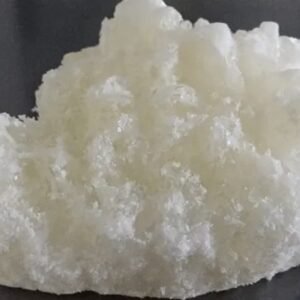
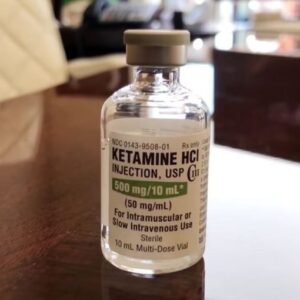
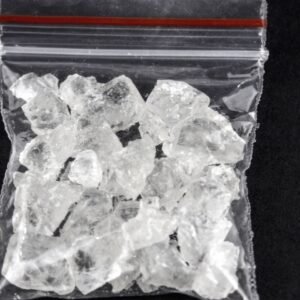
Ketamine is a dissociative anesthetic medication that doctors have used since 1970. It belongs to the arylcyclohexylamine class of compounds. The drug appears as a white crystalline powder or clear liquid. Medical professionals use it for anesthesia induction and pain management. At lower doses, ketamine produces powerful psychedelic and dissociative effects. Users often report feeling detached from their bodies and surroundings. This state is commonly called a “K-hole” at higher doses. Unlike other anesthetics, ketamine preserves breathing and airway reflexes. Consequently, the World Health Organization lists it as an essential medicine for anesthesia.
2. Effects and Subjective Experience
When administered, ketamine produces effects rapidly, often within minutes. Users commonly experience distorted perception of time and space. Visual and auditory hallucinations frequently occur. A hallmark effect is the feeling of floating or out-of-body experiences. Many users describe profound introspection and mystical insights. However, the experience can also involve confusion, panic, and fear. The effects typically last 45 to 90 minutes. Additionally, users often report a “afterglow” period lasting hours. This residual effect involves improved mood and reduced anxiety. In contrast to other psychedelics, ketamine’s effects are relatively short-lived and predictable.
3. Therapeutic Applications and Risks
Recent research has demonstrated ketamine’s remarkable antidepressant properties. The FDA has approved esketamine (a ketamine derivative) for treatment-resistant depression. Studies show rapid improvement within hours or days. Furthermore, researchers are exploring ketamine for PTSD, anxiety, and chronic pain. However, risks include dependence, cognitive impairment, and bladder damage with prolonged use. Recreational use carries additional dangers like accidents and unsafe behaviors. Ketamine remains a Schedule III controlled substance in the US. Therefore, legal use is restricted to medical and research settings. Professional supervision is essential for any administration.
Ketamine


Shopping Cart