1. Botanical Profile and Active Alkaloids
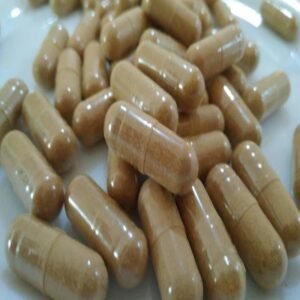
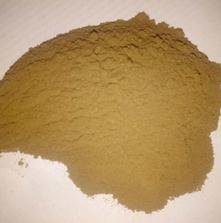
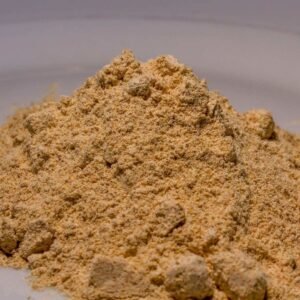
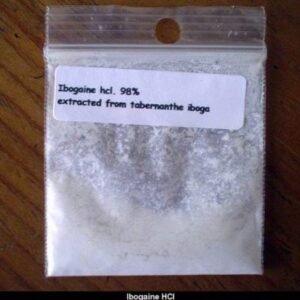
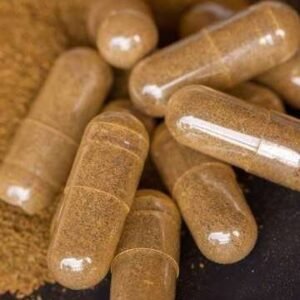
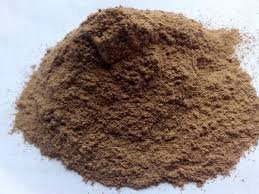
Iboga is a perennial rainforest shrub native to Central Africa, particularly Gabon, Cameroon, and the Congo . The plant typically grows 1.5 to 2 meters tall . It bears small green leaves and yellowish-white or pink flowers . The orange fruits contain no psychoactive compounds . The root bark holds the highest concentration of active alkaloids . This bark contains about 6% indole alkaloids . The primary alkaloid, ibogaine, makes up roughly 80% of these . Other compounds include ibogaline, ibogamine, and tabernanthine . Ibogaine’s chemical formula is C20H26N2O . The root material has a bitter taste and causes a numbing sensation in the mouth .
2. Traditional Uses and Ritual Significance
Indigenous peoples of Central Africa have used iboga for centuries . The Bwiti religion considers it a sacred sacrament . Initiates consume the root bark during ceremonies . They believe the plant enables communication with ancestral spirits . Small doses serve as a mild stimulant to combat fatigue and hunger . However, larger doses induce powerful psychoactive effects . The experience can last for several days . Users report vivid visual hallucinations and deep introspection . This introspective phase may involve an autobiographical review of one’s life .
3. Therapeutic Potential and Safety Risks
Ibogaine has gained attention for its potential anti-addictive properties . Researchers study its use for treating opioid, cocaine, and alcohol dependence . One phase 2a trial demonstrated an 85.7% response rate by day 7. However, ibogaine carries serious risks. It can cause irregular heartbeat, low blood pressure, and respiratory distress . Seizures, paralysis, and death have occurred . More than 30 deaths have been linked to ibogaine use . The substance remains a Schedule I controlled substance in the US . Consequently, legal use is restricted to approved clinical research settings. Professional medical supervision is absolutely essential for any administration.
Iboga